
Historic D.C. Remodels: Preserving Charm While Adding Modern Amenities
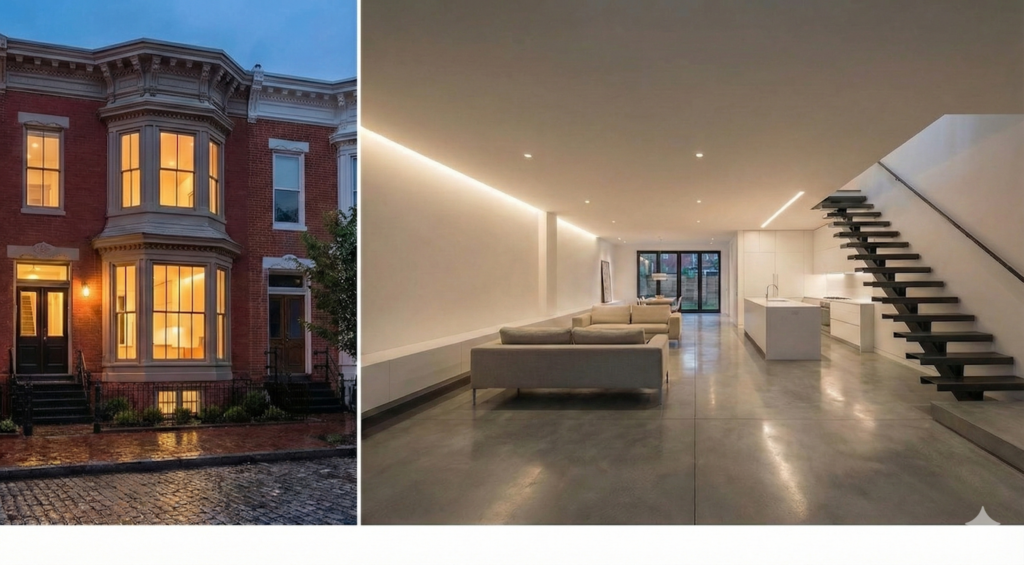
Preserving charm while adding modern amenities in historic D.C. homes means keeping the original facade, architectural details, and materials intact while modernizing interior systems behind the scenes. You can install contemporary HVAC, update electrical and plumbing, create open floor plans with structural steel, and add smart home technology. All of this can be done without altering the historic character that makes these properties valuable. The key is getting Historic Preservation Review Board (HPRB) approval before you start, using appropriate materials like lime mortar on brick, and working with specialists who understand both preservation and modern building science.
At Boss Design Center, we’ve completed over 50 historic home renovations in Georgetown, Capitol Hill, and surrounding districts. We’ve learned that success comes from understanding what you can and can’t change, planning for the unexpected, and balancing modern function with historic integrity. This guide explains what you need to know about modernizing Federal row houses, Victorian homes, and other historic D.C. properties.
Understanding D.C.’s Historic Architecture
Washington’s residential architecture spans multiple periods. Each has specific characteristics that affect how you can renovate.
Federal era homes (1780 to 1830) dominate Georgetown and older Capitol Hill sections. These structures have flat brick facades laid in Flemish bond. You’ll see six over six double hung windows and small segmented spaces designed around individual fireplaces. The L’Enfant Plan of 1791 created the narrow, deep lots that made row houses the dominant building type.
Victorian homes (1860 to 1900) brought complexity to neighborhoods like Dupont Circle and Logan Circle. Italianate row houses feature wide projecting cornices. Second Empire mansions have distinctive Mansard roofs that create full third story living space. Queen Anne homes showcase turrets, bay windows, and textured brickwork. We see these styles constantly in our Capitol Hill projects.
Richardsonian Romanesque structures (1880 to 1900) use heavy rusticated stone or brick with rounded Roman arches. Early 20th century revivals include Beaux Arts mansions in Kalorama and Tudor homes in Foxhall Village.
Each style presents different renovation challenges. Federal homes need careful structural work to open up floor plans. Victorian homes require specialized roofing for complex turret intersections. We’ve worked with all these styles, and understanding the differences is essential before you begin any project.
How Does the HPRB Review Process Work?
The Historic Preservation Review Board governs all exterior changes to properties in D.C.’s historic districts. The board determines whether your proposed changes are “compatible” with the district’s character. We’ve guided dozens of clients through this process, and understanding the review levels saves you months of delays.
Two Review Levels
Administrative review by Historic Preservation Office (HPO) staff covers minor work. This includes in kind window repair, rear patios not visible from the street, and routine maintenance. These approvals often happen within days through over the counter review.
Board review requires full HPRB hearings for substantial projects. This means visible roof additions, front facade changes, and new construction. The process involves several steps:
-
- Concept review submission with architectural drawings
-
- Consultation with your Advisory Neighborhood Commission (ANC)
-
- Public hearings where neighbors can testify
-
- Final permit issuance through the Department of Buildings
We typically see the full board review take 1 to 3 months for standard projects. New construction can take 3 to 6 months or longer.
What Changed in 2025?
The Housing Capacity Preservation Amendment Act of 2025 limited the HPRB’s power. The board can’t deny projects based solely on density if they comply with zoning. This means you can potentially maximize interior volume behind historic facades without density based opposition.
The Resilient and Energy Efficient Historic Properties Amendment Act of 2024 changed solar panel rules. The HPRB now allows low profile, flush mounted, color matched solar on primary elevations through delegated HPO staff authority. We’ve successfully installed solar on several Bethesda historic properties using this new pathway.
Georgetown faces additional Old Georgetown Board (OGB) review through the U.S. Commission of Fine Arts. The OGB regulates details like door hardware and paint colors beyond typical HPRB oversight. This is the strictest review in the District.
What Are the Main Structural Challenges?
Historic D.C. homes present engineering complexities that modern construction doesn’t encounter. We see these same issues in almost every project.
Basement Excavation and Underpinning
English basements in Victorian row houses typically have 6 to 7 foot ceiling heights. Modern building codes require 7 feet minimum. For marketability, you need 8 feet. This means lowering the floor.
Lowering the floor requires underpinning the foundation. You dig beneath existing brick footings and pour new concrete supports in sequential sections. This work requires structural engineer stamps and pre-construction surveys of neighboring foundations. Improper shoring can crack adjacent party walls.
Underpinning costs $300 to $800 per linear foot according to foundation repair specialists. For a typical 20×40-foot row house, excavation and underpinning runs $60,000 to $80,000. Engineering and permits add another $10,000.
We’ve managed numerous basement conversions where careful planning prevented damage to neighboring properties. The key is sequential underpinning that never compromises support for the existing structure.
How Do You Create Open Floor Plans?
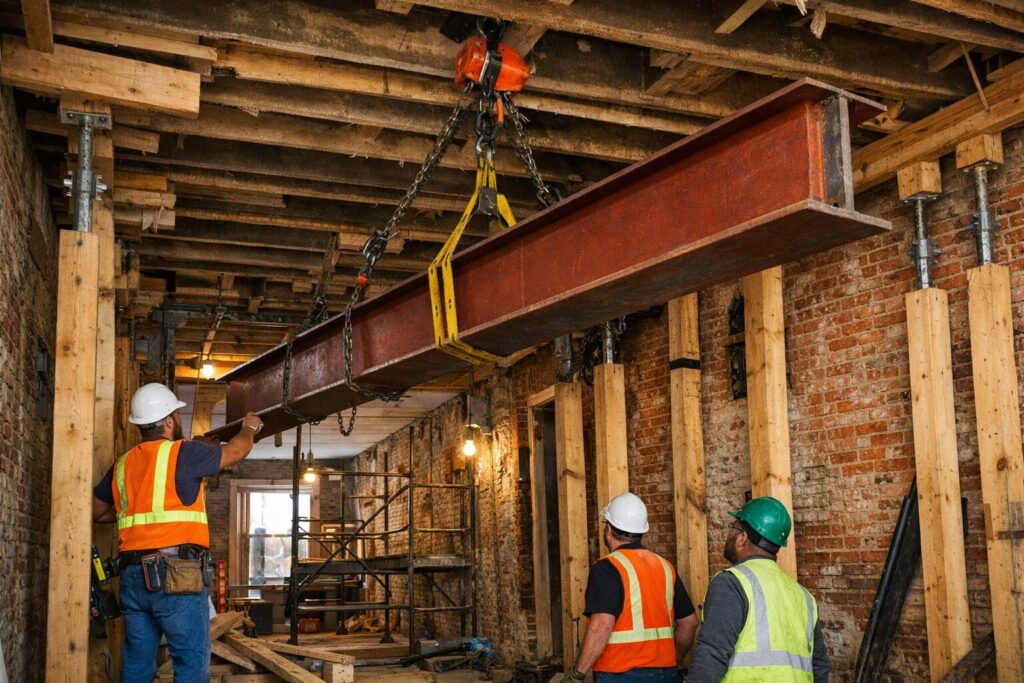
Victorian compartmentalized layouts conflict with modern preferences for open sightlines. In row houses, party walls carry roof loads. But internal partition walls often support floor joists above. Removing these walls requires steel beam or Laminated Veneer Lumber (LVL) header installation.
This structural phase costs $15,000 to $30,000. That includes temporary shoring and steel fabrication. The design trade off is significant. Open plans improve flow and natural light but require substantial structural intervention.
We frequently see this in kitchen remodeling projects. Clients want to connect the kitchen to the dining space. It’s possible, but it requires careful engineering.
Can You Add a Third Story?
Pop up additions maximize square footage on small lots. Current zoning requires vertical additions to set back 10 to 15 feet from the front facade. They must remain invisible from street level sightlines. This “angle of recession” calculation requires careful geometric planning.
The controversy around “middle finger” pop ups in the 2010s led to stricter controls. Projects must now prove the addition won’t disrupt the neighborhood cornice line. We help clients navigate these requirements to add space while meeting HPRB guidelines.
How Do You Modernize Building Systems?
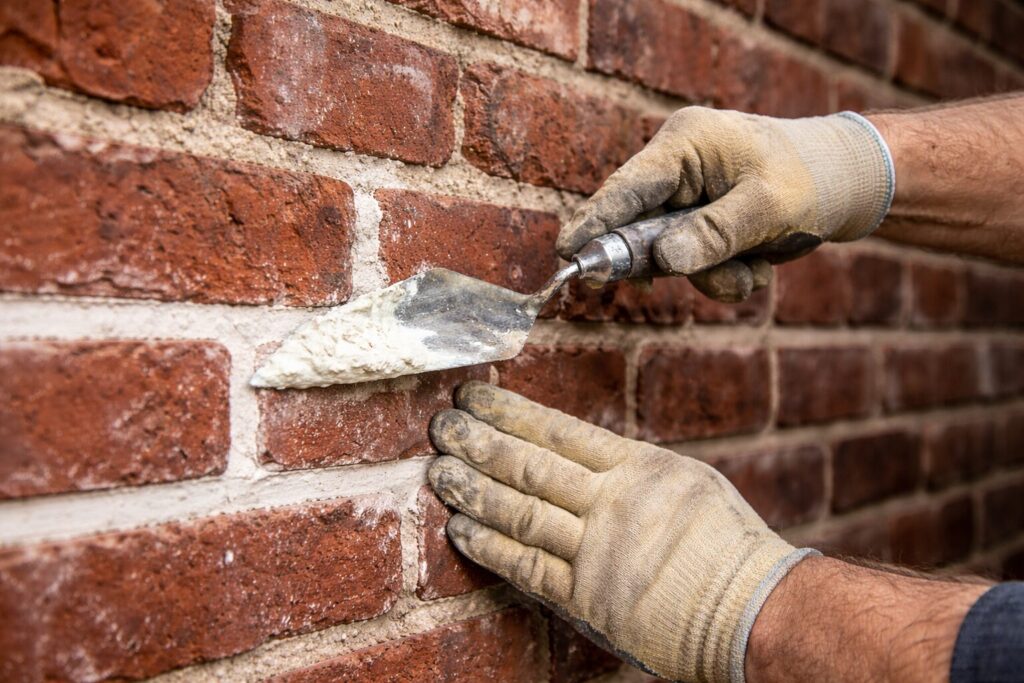
Integrating contemporary mechanical, electrical, and plumbing systems into masonry envelopes requires building science expertise. We’ve developed approaches that work without destroying the historic character.
How Do You Add Air Conditioning?
Installing central cooling in radiator heated homes presents spatial challenges. Bulky ductwork destroys high ceilings.
High velocity systems use 2 to 3 inch flexible ducts that thread through existing wall cavities and floor joists. This eliminates bulky bulkheads that destroy character. We use these constantly in period homes.
Ductless mini split systems offer high efficiency with minimal invasiveness. In historic districts, outdoor compressor units must be concealed from the street. This typically requires rooftop placement or rear garden screening.
We frequently install high velocity systems in Capitol Hill kitchen remodels where preserving 10 to 12 foot parlor level ceilings is essential.
Can You Add Smart Home Technology?
Wiring smart home systems in plaster walled houses traditionally requires destructive wall opening. Wireless ecosystems solve this problem.
Systems like Lutron Caséta or Leviton allow smart lighting control by replacing switches in existing wall boxes. They communicate wirelessly with hubs. No wall destruction needed.
Invisible integration approaches include:
-
- Architectural speakers that plaster into ceilings
-
- Frame TVs mimicking artwork when inactive
-
- Hidden HVAC thermostats with remote sensors concealed in millwork
We’ve installed these systems in dozens of historic homes. The goal is modern functionality without visible technology.
What About Insulation?
Insulating exposed brick walls creates moisture risks. Adding interior insulation keeps masonry walls cold. This reduces their drying capacity and can cause condensation between insulation and brick.
Solutions include smart vapor retarders that change permeability based on humidity. This allows walls to dry toward interiors in summer. Air sealing with aerosolized sealants like AeroBarrier improves comfort without bulk insulation’s moisture risks.
We’ve learned through experience that sometimes less insulation is better. Proper air sealing often delivers more comfort than adding problematic insulation.
Why Is Masonry Work So Critical?
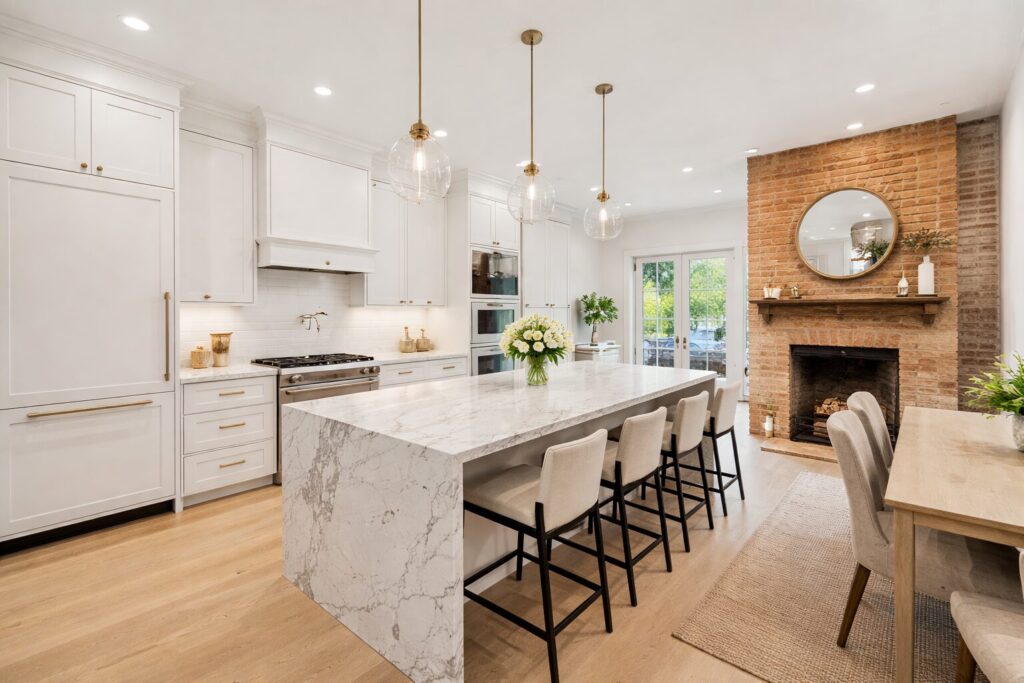
Improper masonry work destroys historic buildings faster than neglect. We see the damage from bad repairs constantly.
The Lime Mortar Rule
A widespread error in D.C. renovations is using Portland cement to repoint historic brick.
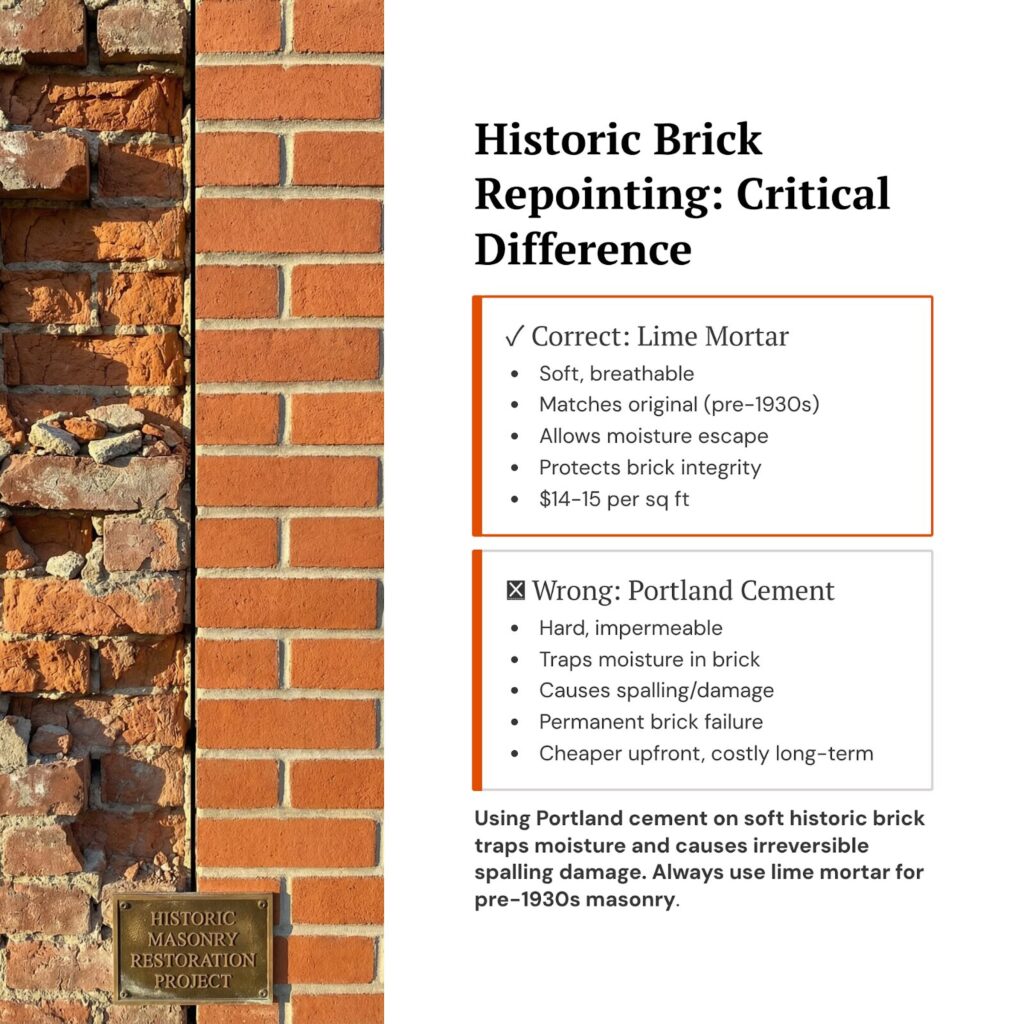
This mistake ruins brick permanently.
Brick fired before the 1930s is soft and porous. It was laid with lime based mortar softer than the brick itself. This allowed walls to “breathe.” The mortar acted as a sacrificial wick for moisture.
Hard, impermeable Portland cement traps moisture inside soft brick. During freeze thaw cycles, trapped moisture expands. This causes brick faces to spall, or pop off. We’ve seen entire facades ruined by this error.
Proper renovation requires repointing with lime sand mix. It must match the original in color, texture, and compressive strength.
Repointing costs $14 to $15 per square foot according to masonry restoration data. Tuckpointing is a decorative technique applying contrasting lime putty down joint centers. It costs $20 to $30+ per square foot. This is reserved for high end restorations.
Should You Restore or Replace Windows?
Restoring original wood windows is often more cost effective long term than replacement. A restored wood window with storm sash matches new double pane efficiency. But it has a 100+ year lifespan. Vinyl replacements often fail within 20 years.
We almost always recommend restoration over replacement for historic homes. The payback period is typically 10 to 15 years. After that, you’re ahead financially and preserving authentic materials.
What Does Historic Renovation Cost?
Historic renovations carry a 15 to 20% premium over standard projects. This comes from specialized materials, regulatory compliance, and extended permitting timelines.
| Project Type | Scope | Cost Range | Key Drivers |
| Kitchen Remodel | High End | $68,000 to $150,000+ | Custom cabinetry, structural wall removal, appliance grade |
| Bathroom Remodel | Master Suite | $40,000 to $80,000 | Plumbing relocation in masonry, luxury finishes |
| Basement Conversion | Excavation + Finishing | $60,000 to $100,000+ | Underpinning, waterproofing, ceiling height increase |
| Whole House Gut | Full Interior | $150 to $250+ per sq ft | MEP replacement, window restoration, finishes |
| Rear Addition | Multi Story | $250 to $400+ per sq ft | Foundation work, HPRB approval, facade matching |
A full gut renovation of a 2,000 square foot row house typically costs $300,000 to $500,000. These figures reflect current D.C. metro area pricing based on projects we’ve completed throughout Georgetown, Bethesda, and surrounding areas.
What’s the Return on Investment?
High quality renovations yield strong returns in D.C.’s competitive market. Basement conversions creating legal rental units cost $100,000+. But they generate $2,000 to $3,000+ monthly rental income. This significantly increases property resale value.
Kitchen and bathroom renovations remain the highest ROI projects. They often recoup 55 to 85% of costs at resale according to regional renovation data.
We’ve seen kitchen renovations that completely transformed homes’ marketability. The open floor plan alone can add $50,000 to $100,000 to resale value in competitive neighborhoods.
Are There Any Grants Available?
The Historic Homeowner Grant Program provides grants up to $50,000 to low- and moderate-income homeowners in historic districts. Grants cover exterior repairs preserving historic character. This includes roof replacement, masonry repointing, and window restoration.
These grants help prevent “demolition by neglect” in gentrifying neighborhoods. If you qualify, they can offset a significant portion of exterior restoration costs.
Real Project: Modernizing a Georgetown Federal Row House
A recent project shows how thoughtful design balances preservation with contemporary living.
The home was a 15 foot wide Federal row house. The first floor had dark, segmented spaces. The clients wanted open living. But they also wanted to respect the home’s 1820s character.
We removed the central load bearing wall separating the hallway from the living space. This required installing a steel moment frame to carry upper floors. The structural work alone took three weeks.
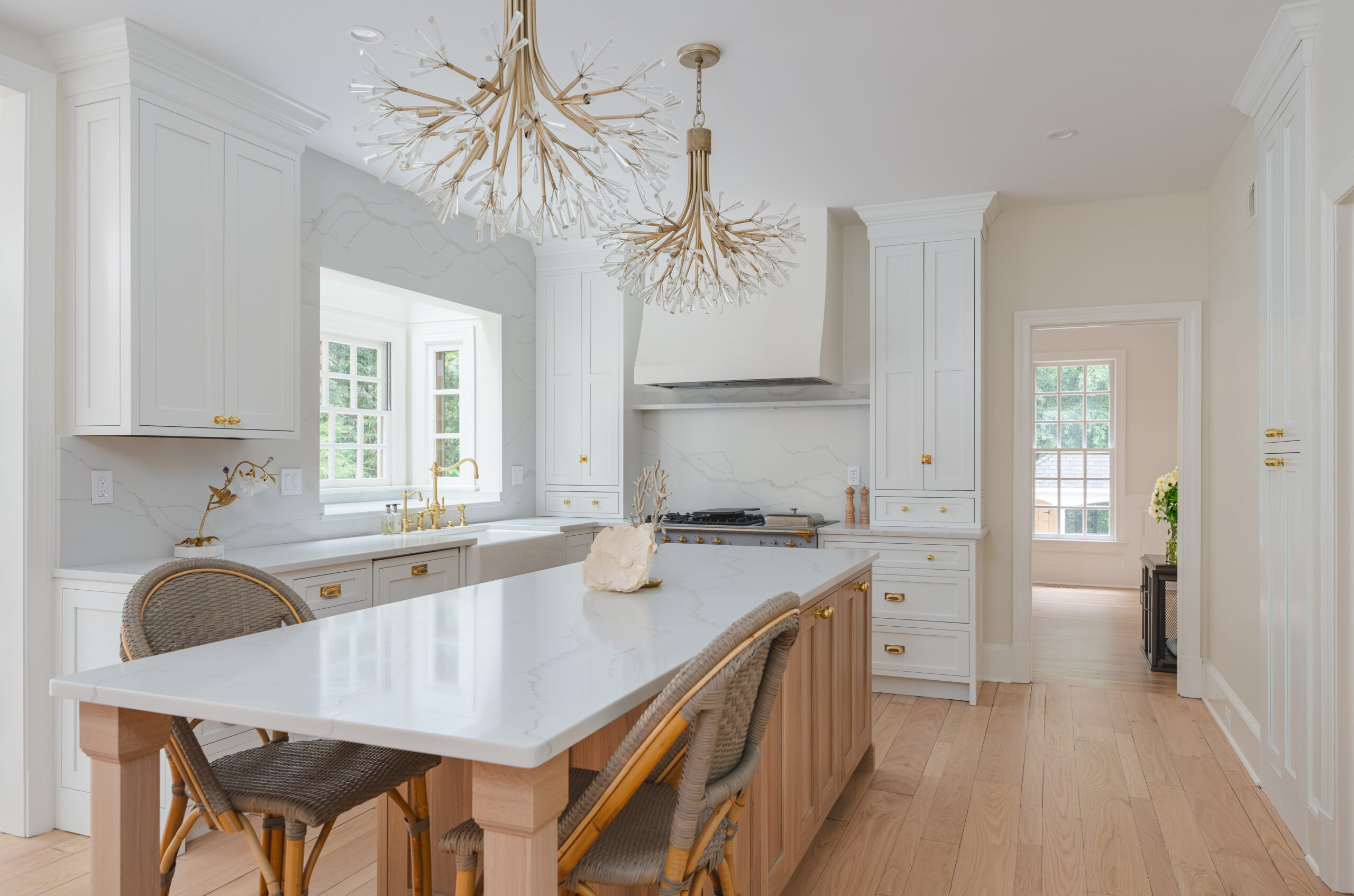
The kitchen moved from the rear dogleg to the center. This created a galley pass through connecting the front living area to a new rear dining space. Custom white shaker cabinetry reflected light through the deep floor plan. Panel ready appliances minimized visual clutter.
The rear elevation received new floor to ceiling windows. These flooded the interior with natural light while remaining invisible from the street. This satisfied HPRB requirements. The historic front facade stayed completely untouched.
We installed a high velocity HVAC system threading through existing wall cavities. This added central air conditioning without destroying the original plaster ceilings.
Total project cost was $185,000. This covered the complete first floor transformation including structural work, new kitchen, and mechanical system upgrades. The project took four months from permit to completion.
The clients now have an open, light filled first floor. But from the street, the home looks exactly as it did in 1820. That’s the goal of good historic renovation.
How Do You Find the Right Partner?
Historic renovations require specialized expertise that general contractors often lack. The design build model has become the preferred delivery method for these complex projects.
When you discover unexpected conditions (rotting beams, unknown chimney flues, foundation issues), the design build model allows rapid adjustments. There’s no adversarial change order process. The design and construction teams work together internally.
We’ve seen this save projects months of delays. When we found a collapsed chimney during a Capitol Hill renovation, we redesigned the structural support within 48 hours. With a separate designer and contractor, that would have taken weeks of back and forth.
Design build firms typically handle the entire HPRB and DCRA permitting process in house. They leverage experience with specific reviewers and ANC commissioners to expedite approvals.
What Should You Look For?
Look for firms with documented experience in your specific historic district. Old Georgetown Board experience differs significantly from general HPRB work. Ask to see portfolios of completed projects. Look for how they integrated modern amenities while respecting architectural character.
The right partner understands that historic renovation isn’t about freezing time. It’s about managing change thoughtfully. They should demonstrate fluency in building science, structural engineering, preservation law, and contemporary design.
We’ve worked in D.C.’s historic districts for over a decade. We’ve learned that success requires equal parts technical expertise and bureaucratic navigation. You need someone who knows both the HPRB reviewers and the structural engineers who can stamp complex alterations.
Ready to Modernize Your Historic D.C. Home?
Renovating a historic property in Washington, D.C. requires specialized knowledge of preservation regulations, structural engineering, and period appropriate materials. We bring over a decade of experience transforming historic homes throughout the DMV region. We navigate HPRB requirements while respecting architectural integrity.
We’ve completed projects in Georgetown, Capitol Hill, Bethesda, and other historic districts. We know what works and what doesn’t. More importantly, we know how to get it approved.Contact us to schedule a consultation about your historic home renovation. We’ll assess your property, discuss your vision for modernization, and outline a realistic approach that honors your home’s character while delivering contemporary functionality.
AUTHOR